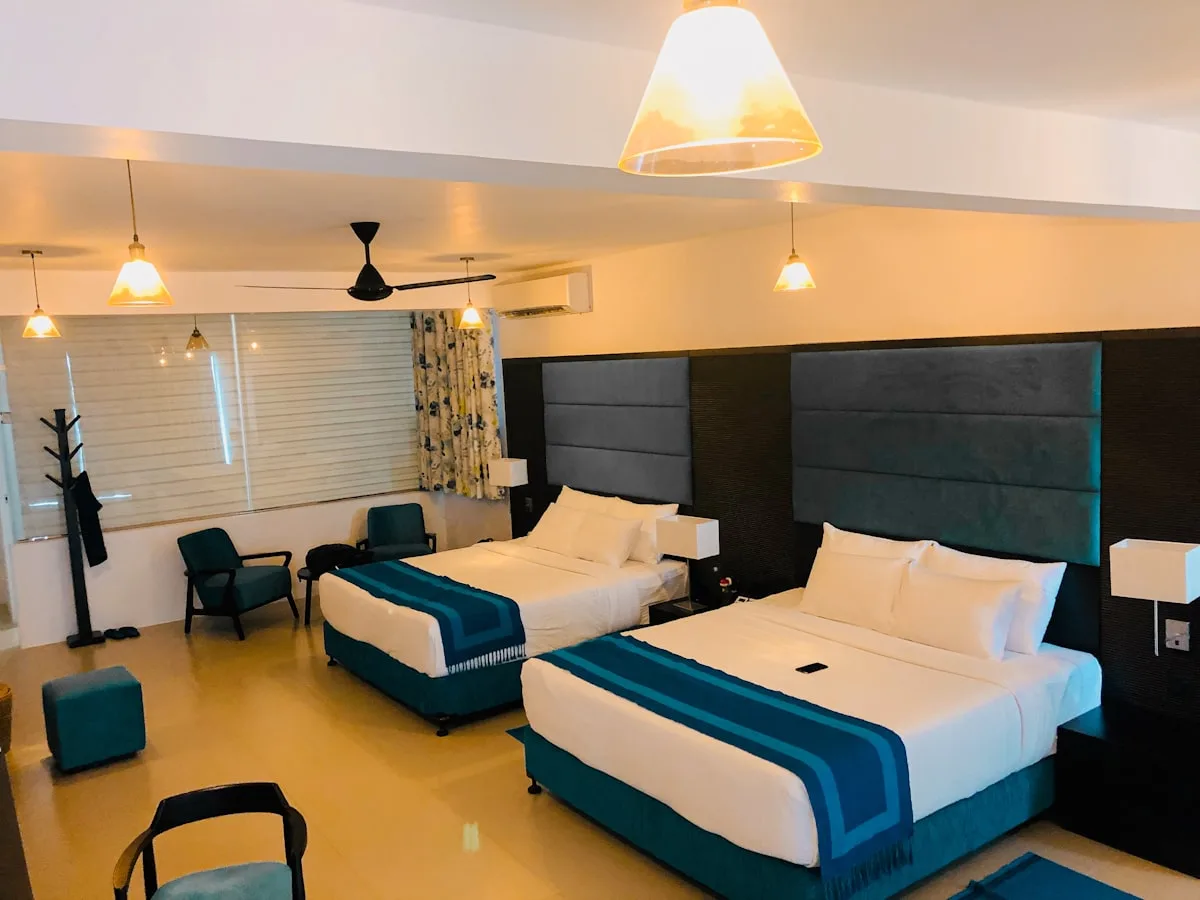

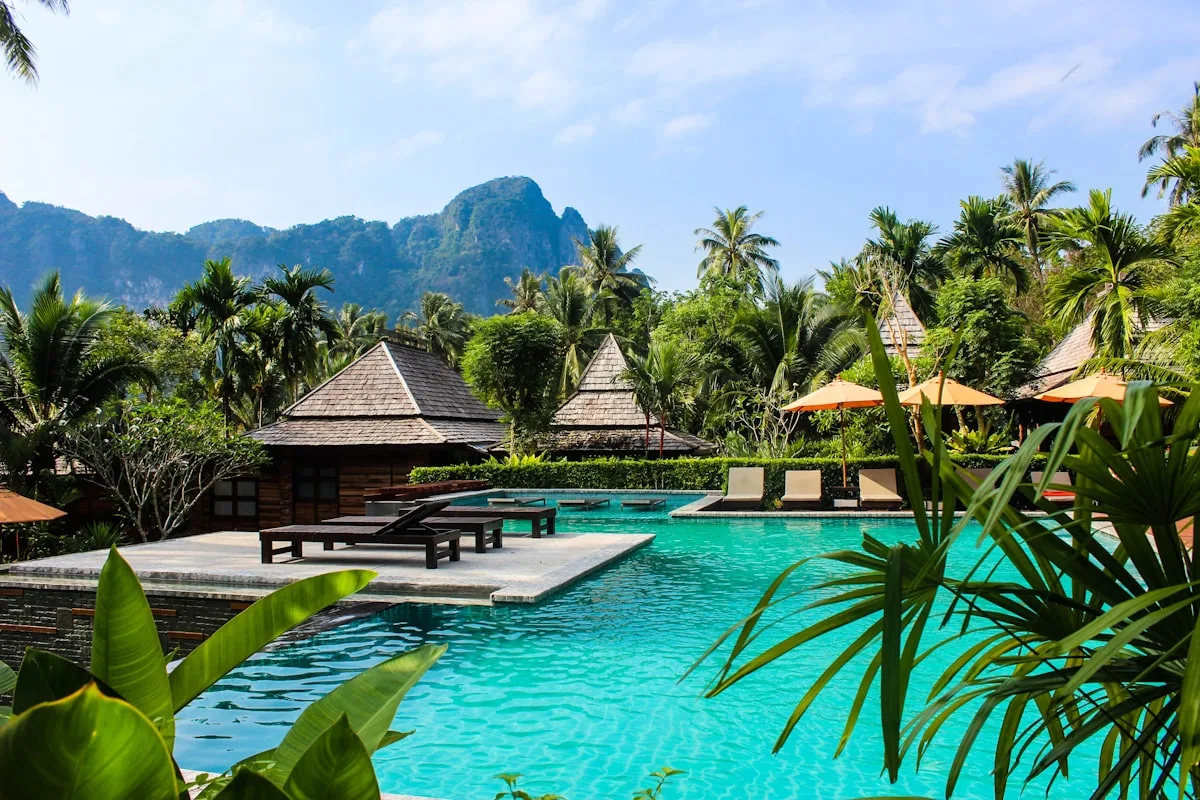
The question we hear most from guests visiting Antalya for a few days is: "How much can we see, and in how long?" Three days is enough to take in the city centre and its surroundings without rushing. The itinerary below is based on our hotel's location in Konyaaltı and assumes you return to the hotel at the end of each day.
Day One: Kaleiçi and the Marina
Kaleiçi is roughly fifteen minutes from the hotel by car. If you prefer public transport, the tram line works well; simply get off at the Kalekapısı stop. Set off at around 10.00 and you will spend the midday heat in the shade of the narrow streets.
- Hadrian's Gate: A triple-arched marble gateway built in AD 130 for the emperor's visit to the city. Entering Kaleiçi here is the perfect start.
- Yivli Minaret: The Seljuk landmark regarded as the symbol of the city. The remains of the surrounding complex can also be explored.
- The Marina: The old harbour, lined with restaurants and cafés. A good stop for lunch.
- Hıdırlık Tower and Karaalioğlu Park: Go close to sunset; the views across the bay are wonderfully open from here.
Kaleiçi's cobbled streets are uneven, so comfortable shoes are a must. You can have dinner at the harbour before heading back to the hotel.
Day Two: Düden Waterfalls and the City's Museums
Düden has two separate sections, and because many people don't realise this, they see only one and head home. Upper Düden lies to the north of the city, complete with a cave you can walk through behind the falls. Lower Düden, on the Lara side, is where the water plunges forty metres straight into the sea. You can see both in a single day; they are about half an hour apart by car.
If You Have Time
In the afternoon, we recommend a visit to the Antalya Museum. Its collection of sculptures from the Perge and Aspendos excavations is one of the most comprehensive archaeological collections in Turkey, and it is just ten minutes from our hotel.
Day Three: Olympos and Çıralı
Day three is the day to leave the city behind. Olympos is around 80 kilometres from our hotel, an hour and a half's drive. The ruins of the ancient city open straight onto the beach, so you can wander among them and then go for a swim.
While you are in the area, add the late-afternoon walk up to Yanartaş (the Chimaera) to your plans. Natural gas escaping from between the rocks has burned here without going out for thousands of years, and it is far more impressive once darkness falls. The walk takes about twenty-five minutes and is uphill; don't forget a torch and some water.
For your Olympos day, plan a late breakfast at the hotel and a late return in the evening. Reception can arrange a transfer vehicle for you.
Practical Notes
Public transport in Antalya requires an AntalyaKart, which you can buy and top up at the machines at tram and bus stops. For getting around the city, the tram is usually quicker than the traffic. That is enough for the Kaleiçi and Düden days, but for Olympos it makes more sense to hire a car or arrange a transfer, as reaching the area by public transport involves several changes.
- Museum pass: Valid for the Antalya Museum and the ancient city of Olympos; if you are visiting several archaeological sites, it brings the cost down.
- Water and a hat: Essential when exploring areas without shade, especially between June and September.
- Opening hours: Archaeological sites close at 19.00 in summer and 17.30 in winter; last entry is half an hour before closing.
If you would like to spread this three-day itinerary at a gentler pace, you could spend the second day entirely at the hotel and save the museum and waterfalls for day three. Guests who take a break at the spa and pool tell us they come back without carrying the walking fatigue home with them.